Yes, I know it says “Oryx” in the title of the video.
Gemsbok are species of oryx. There are four species in the genus Oryx, and the Gemsbok is Oryx gazella.
Now, what are they doing in New Mexico?
Well, just like feral horses, feral burros and ring-necked pheasants, these were introduced.
In 1969, the New Mexico Department of Fish and Game introduced them to the White Sands Missile Range.
There are now about 3,000 of them in the Tularosa Basin.
They have very few predators. Cougars don’t seem to be very effective gemsbok predators, and coyotes take only the very young.
They are hunted to control their numbers, but it’s likely that they are here to stay.
And this is in North America, a place with no native antelope or gazelles.
In the East, we’ve spent a very long time making everything look like Europe. In the West, are we trying to make everything look like Africa or Central Asia?
I’d much rather have a lot of pronghorn on that range than gemsbok.
***
Gemsbok means chamois in Dutch. In Afrikaans, it refers to this species of oryx.
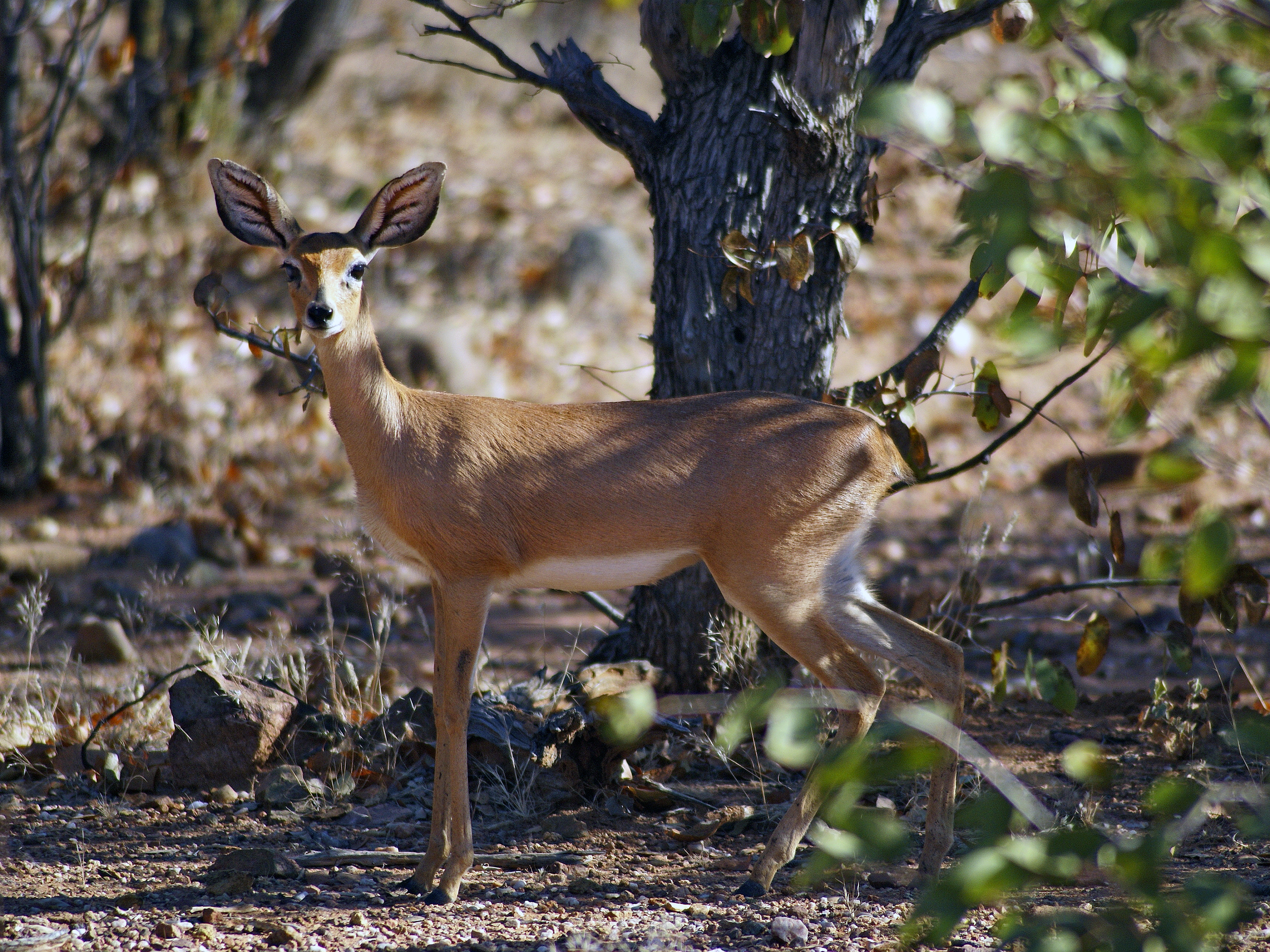
Lots of African antelope are named in this fashion. The eland is named for the Dutch word the elk or moose (Alces, not Cervus). The steenbok is named for the Alpine ibex and the Spanish ibex. The term “bok” (cognate with the English word “buck”) usually refers to a goat, but the term has been expanded to include antelope.




My first response was, “Wait a minute, what do you mean we have no native antelelope? Don’t we all know about the ‘range, where the deer and the antelope play’?” And I saw herds of antelope in eastern Oregon. So I looked it up, and , well, of course you’re right, Retrieverman. Those playful North American antelope are Pronghorn, the sole surviving member of its family and not a “true antelope.” Second-fastest land mammal (behind the cheetah).
melissa you are right pronghorn are antilocapra not true antelopes. Antelope are only found in eurasia and africa, 93% being in africa. Gazelles, oryx, eland, kudu, duikers, and many more are all antelope but not pronghorn.
Saiga antelope are the only true antelope native to north America look it up on Wikipedia and the gray wolf are the gemsboks predator but are naturally absent in south africa also Arabian wolves prey on the gemsboks cousin the Arabian oryx
Saiga are not native to North America!
They are on the Asian Steppes!
How stupid can you be?!
Saiga lived in North America during the Pleistocene
So?
Not native. Are you one of these idiots who thinks lions and horses are native to North America because they once lived here?